

United Kingdom
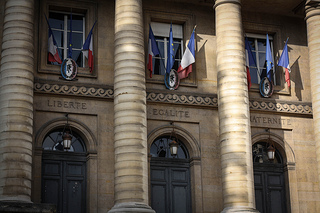 On November 6, the Paris Tribunal de Grande Instance (TGI) ordered Google and Google France to withdraw and stop displaying in their search engine results, for a period of five years, nine pictures of British citizen Max Mosley. By doing so, the TGI refused to consider Google as a mere Internet intermediary that provides hosting and/or caching functions.
Metadata Surveillance, Secrecy, and Political Liberty (Part Two)
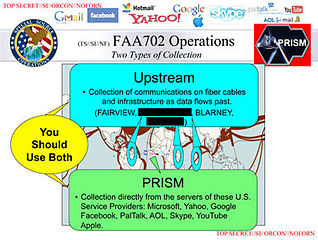 (This is the second part of a two-part post. In
 Metadata Surveillance, Secrecy, and Political Liberty (Part One)
 (Following on from
 British Ruling Sets Standards for Twitter Libel
 A
A Britain's New Libel Bill: Better on Libel Tourism, But Worse on Anonymous Online Speech
 Britain's effort to reform its defamation laws and shed London's title of "libel capital of the world" has been chugging along for several years, but now it looks like it's in sight of the last stop: The government unveiled its proposed
 Will the Fifth Time be the Charm for Britain's IP Policy Reviews?
 The All-Party Intellectual Property Group (APIP) in the United Kingdom
 Banned in (Much of) Britain, and Beyond?
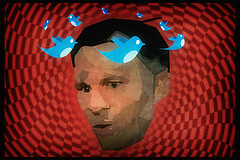 Social media are abuzz about English Premier League footballer
("soccer player" to us Yanks) Ryan Giggs, who has obtained an order from a British
court requiring Twitter to reveal the identity of various tweeters who
identified him as having had an affair with model and Big Brother
contestant Imogen Thomas.
Social media are abuzz about English Premier League footballer
("soccer player" to us Yanks) Ryan Giggs, who has obtained an order from a British
court requiring Twitter to reveal the identity of various tweeters who
identified him as having had an affair with model and Big Brother
contestant Imogen Thomas.
British Libel Reform - Now With Real Proposed Legislation!
 I've been writing about impending British libel reform for almost two years now, putting a post together every time something happens to bring the United Kingdom closer to fixing its quite-literally-backwards defamation laws. "Ooo, the High Court has tossed a textbook libel tourism case," I cheered in
 U.K. Extends Consumer Disclosure Laws Online, As In U.S.
Toxic Lunch: Digesting the Latest ACTA Leak
British Libel Reform: Finally to Be a Reality?
 The reform of British libel law has been something of a will o' the wisp in recent years. Every few months it seems, the issue jumps to the fore, either through
  No man is an island, no man stands alone
 Let’s review the two basics of modern criminal law:



Description:
During the trial, the government did not present evidence that the individual defendants directly participated in any acts of vandalism and violence. Instead, the prosecution pointed to web postings by, and video of, the members celebrating the acts and using the word "we" to claim credit for the conduct.
On appeal, the Court of Appeals for the Third Circuit affirmed the conviction on October 14, 2009, finding that the Animal Enterprise Protection Act was constitutional on its face and as applied to the defendants. In particular, the court found that links on the SHAC website to tools that facilitated (illegal) virtual sit-ins were clearly intended to incite imminent, lawless conduct, and that such conduct was likely to occur, and thus were not protected speech.
It is not clear whether the defendant's have petitioned the Supreme Court for a writ of certiorari.